
Ultra Back To Life (UBTL): The emergence of the regenerative sports model
Ultra Back To Life (UBTL) breaks with the traditional sporting model by transforming competition into a positive and measurable act for the environment. This 48-hour consecutive ultra-endurance event reinvents performance by placing ecological regeneration at the heart of the competition. Designed as a systemic and reproducible model of "regenerative sport," this initiative has been nominated in the Environmental Initiative of the Year category at the Trail Running Awards.
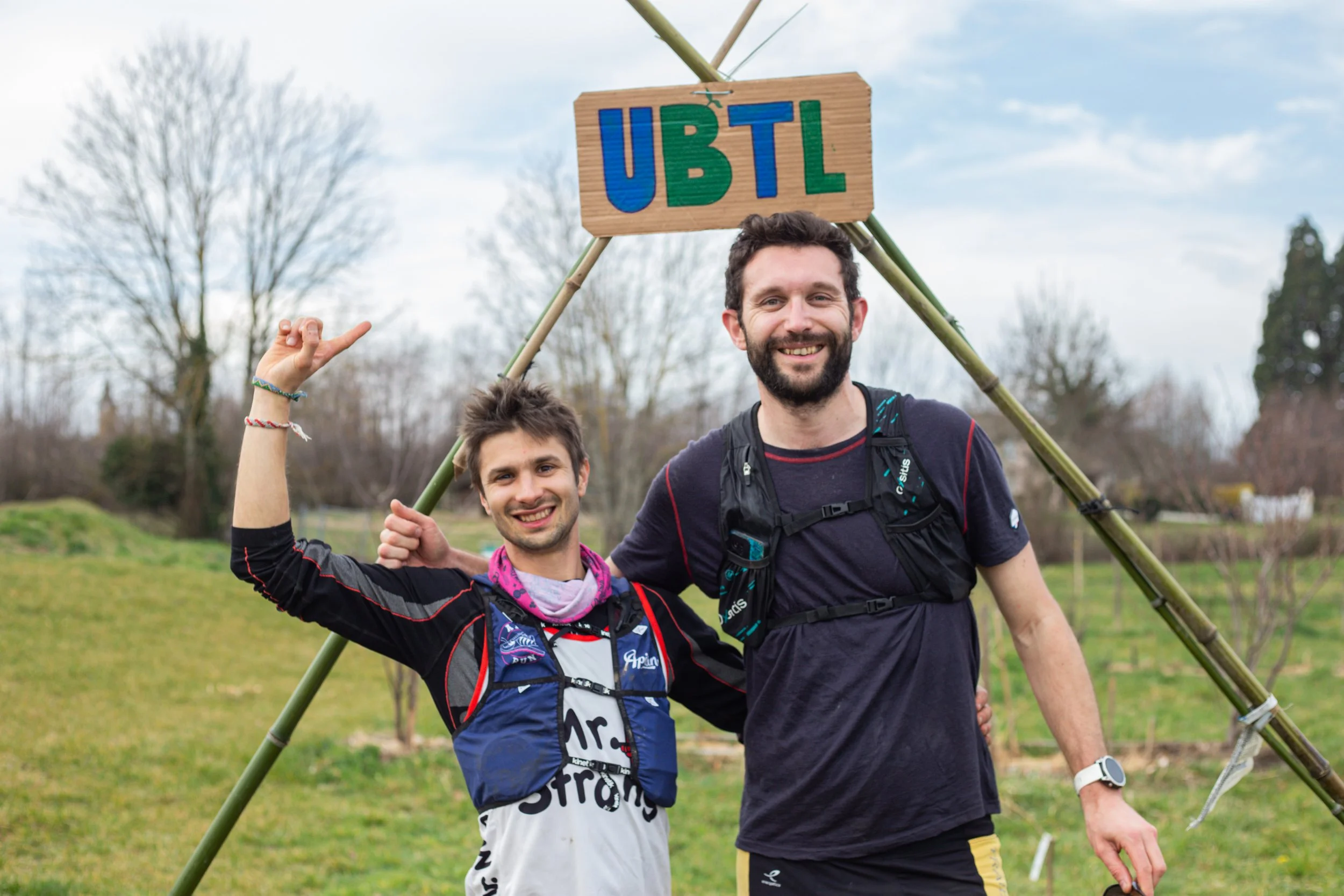
The diagnosis: Reversing the impact of spectator sports
The UBTL starts from the observation that traditional competitions often generate a negative environmental footprint. The Abundita association sought to reverse this logic by creating a carbon-positive event, where individual performance becomes a lever for biodiversity.
The central concept is based on alternating phases: athletes don't just run; they alternate between running and fieldwork (planting vegetation, creating natural habitats, cleaning up pollution).
Each stride thus contributes both to athletic performance and to the ecological legacy.
Innovation: A multi-criteria classification system
The UBTL has developed an innovative and unique scoring system to evaluate athletes. Performance is no longer measured solely by mileage, but by a multi-criteria classification that includes:
Athletic performance (distance covered in 48 hours).
Biodiversity actions carried out in the field.
The carbon footprint of athletes.
Educational and civic engagement ("Paris vivants," support for local projects).
This approach values the regenerative athlete, who excels in both endurance and ecological action.
A lasting legacy and a bridge between generations
The project is part of a sustainable regional transformation strategy, with the aim of creating measurable ecological assets for the host municipality.
This includes planting fruit trees and shrubs, creating multiple natural habitats (ponds, nesting boxes), and storing CO₂.
The UBTL also has a significant educational dimension, involving hundreds of children and students from local high schools.
These teenagers are responsible for leading educational initiatives, creating a strong intergenerational bridge where young people become ambassadors for biodiversity.
The symbolic passing of the baton between schoolchildren and ultra-trail runners is a powerful illustration of this.
Adherence to and replication of the model
The pilot version in March 2025 demonstrated the validity of the concept, with concrete interventions in the region and widespread enthusiasm among participants. The initiative attracted the support of prestigious champions such as Xavier Thévenard, reflecting an evolution in sporting awareness.
The UBTL's future objectives are clearly defined: to continue restoration work, consolidate its educational commitment, and create a replicable model. The competition offers different formats, ranging from the 48-hour XXL challenge to participatory projects open to the general public, ensuring total inclusivity.
Nicolas Angermuller, Biodiversity Athlete, sums up the impact of the project: "It's a new, positive way of approaching performance, one that is more sober, more committed, and more meaningful. Unlike traditional competitions where you simply run through the countryside, here every stride makes a concrete contribution to the regeneration of biodiversity."
This ability to transform sporting events into catalysts for regional transformation positions the UBTL as a major initiative in regenerative sport.
