
Trail de La Cité de Pierres: A model of simplicity serving a UNESCO site
Organized in the heart of the Grands Causses Regional Natural Park, a UNESCO World Heritage Site, the Trail de La Cité de Pierres has made sustainability the cornerstone of its identity. The event implements a comprehensive and minimalist environmental strategy, ranging from the runners' meals to the management of the trails. This format, which aims to be exemplary and replicable, is a candidate in the Environmental Initiative of the Year category at the Trail Running Awards.
The diagnosis: The requirement for sobriety in a protected environment
The race takes place in a fragile and remote natural environment, where the impact of any gathering must be strictly controlled. The organizers have made some radical decisions, which have now been accepted by the community: the race will be held without medals, plastic bottles, or unnecessary clothing.
This simplicity is part of the DNA of the Trail de La Cité de Pierres. The team is committed to measuring and controlling its carbon footprint, a commitment made visible through collaboration and validation of the routes with the Grands Causses Regional Nature Park and the League for the Protection of Birds (LPO).
Logistics innovation: From forks to zero waste
The eco-designed Trail de La Cité de Pierres event is systemic and stands out thanks to specific operational choices:
1. Responsible food management
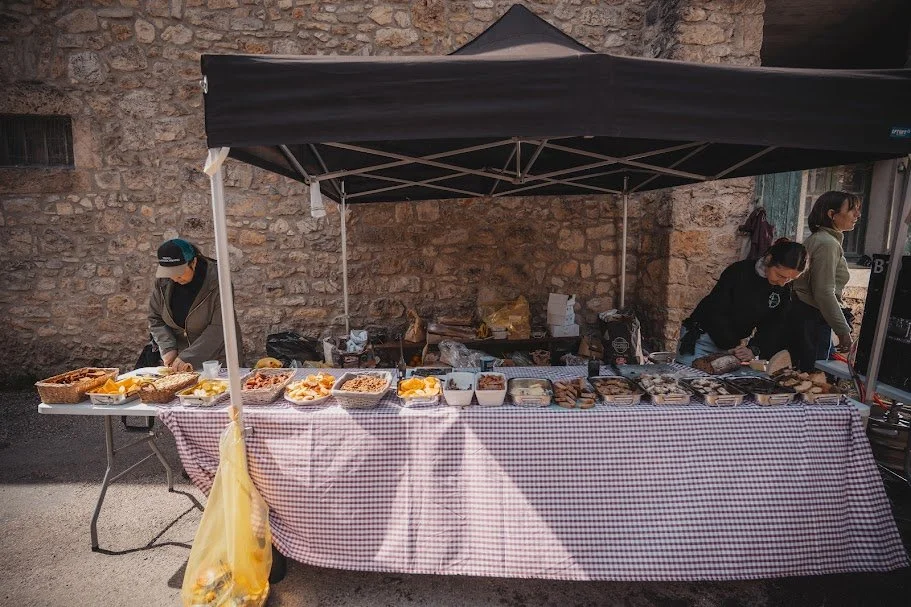
100% organic and local refreshments: All products consumed (refreshments, meals for volunteers and runners) are sourced from organic farms.
Anti-waste: The concept of "Ugly Vegetable Soup" (made from unsold produce from Biocoop) and the systematic donation of leftovers to the local charity A Tous Cœurs ensure that food waste is reduced to zero.
2. Material sobriety
Zero Plastic: The event has banned all single-use plastic bottles and tableware. Water fountains are connected directly to the drinking water network, and cola/lemonade is supplied in local organic kegs. Each runner must use their own reusable container.
Sustainable materials: The signage is made from 100% reusable fluorescent orange fabric tape (in collaboration with FabLab Millau), replacing traditional plastic tape.
3. Pooling and Waste
This logistical rigor is paying off. Pooling equipment with local partner races reduces the carbon footprint and costs. Waste management is tightly controlled, with strict sorting reducing the volume of non-recyclable waste to just a few bags per event.
Territorial, social, and inclusive anchoring
The Trail de La Cité de Pierres goes beyond the environmental dimension alone to promote its territory and community:
Local roots: 75% of purchases and services are provided by entities based in Aveyron. Runners' kits are manufactured in the department.
Social innovation: The "Runner and Volunteer" policy allows participants to run for free on Sundays if they volunteer on Saturdays (or vice versa), encouraging community engagement.
Inclusion: The event includes free races for children (promoting best practices) and will welcome Joëlette wheelchairs (starting in 2026), thereby improving accessibility for people with disabilities.
Support: The organization provides annual support to the Sentier association (maintenance of trails) and donates to Action Against Hunger and the Trail School (young people).
This minimalist and rustic format, widely praised by runners for its values, is a reproducible model of an authentic trail run in harmony with its territory.
