
Run for Planet: When eco-design becomes a lever for civic engagement
Faced with the imperative to reduce the environmental impact of mass sporting events, the Run for Planet offers a fully eco-designed and socially responsible model that goes beyond simple carbon offsetting. Organized in several major French cities, the initiative stands out for its integration of concrete action and strong environmental education. This format, praised for its exemplary nature and its ability to mobilize large numbers of people, is a candidate in the Environmental Initiative of the Year category at the Trail Running Awards.
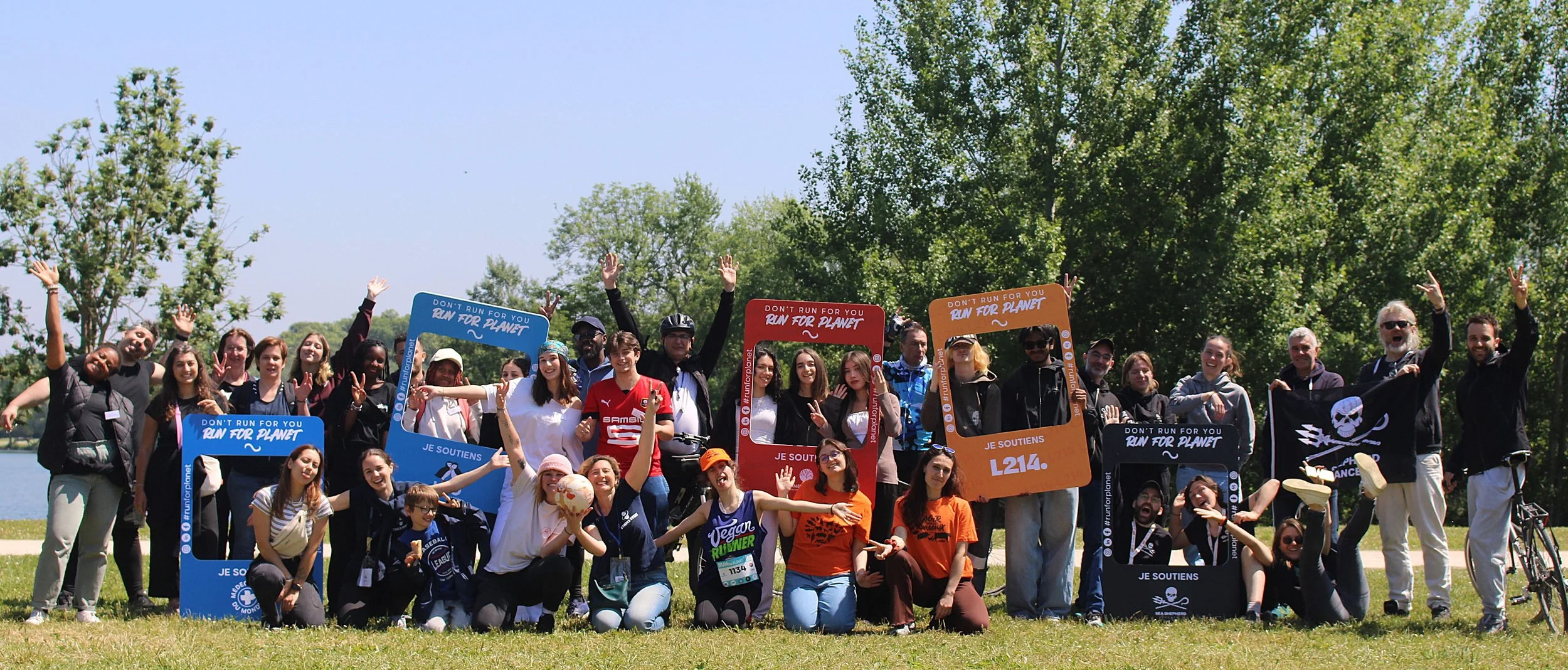
The model: Structural and transparent solidarity
Run for Planet is based on a principle of automatic solidarity: a portion of each registration fee is donated directly to the charity chosen by the participant (LPO, Sea Shepherd, Médecins du Monde, etc.).
This mechanism ensures that solidarity action is structural rather than incidental. The event has already raised a substantial amount of money for these organizations. By inviting the beneficiary associations to the village, the scheme also facilitates direct interaction between participants and the specific action being supported.
Logistics innovation: Setting an example every day
The initiative stands out for its rigorous logistical and technical choices, rarely adopted on this scale, to minimize the event's material footprint:
Zero plastic waste: Complete elimination of plastic bottles, finisher T-shirts, and promotional goodies.
Sustainable technology: Use of timing chips that can be reused from one event to another, a practice that is still relatively uncommon in sports timing in France.
Eco-design and inclusion: The medal awarded to runners is an eco-designed wooden piece, 100% French, manufactured in an ESAT (Établissement et Service d'Aide par le Travail) by people with disabilities.
Responsible services: Installation of eco-friendly dry toilets, solar-powered sound systems, and refreshments made from organic, local, and seasonal products.
These measures confirm the commitment to placing environmental excellence at the heart of the operational framework.
Narration and educational impact
Beyond logistics, Run for Planet relies on powerful eco-friendly storytelling to raise awareness among the general public:
Visual education: The design of the medals tells a story. For the 2026 edition, the visual will be inspired by Ed Hawkins' global warming bands, accompanied by the hummingbird symbol to remind us of the importance of individual actions.
Committed village: Awareness-raising associations (Fresque du Climat, Atelier 2 tonnes) are invited to the village to talk with participants, transforming the sporting event into a place of education for individual initiatives.
Success of the format and viability of the model
The initiative has demonstrated the viability of a socially responsible and eco-friendly format. The race has been successfully rolled out in several French cities (Paris, Bordeaux, Lyon, Nantes) and in a connected version, proving its reproducibility.
Feedback from participants shows strong loyalty from year to year and enthusiastic support for the event's values. The popular success of Run for Planet and the steady increase in the amount raised confirm that it is possible to combine a high-quality sporting experience, rigorous environmental goals, and economic viability.
