
Team Adaptive: Structural inclusion, the new standard in global ultra-trail running
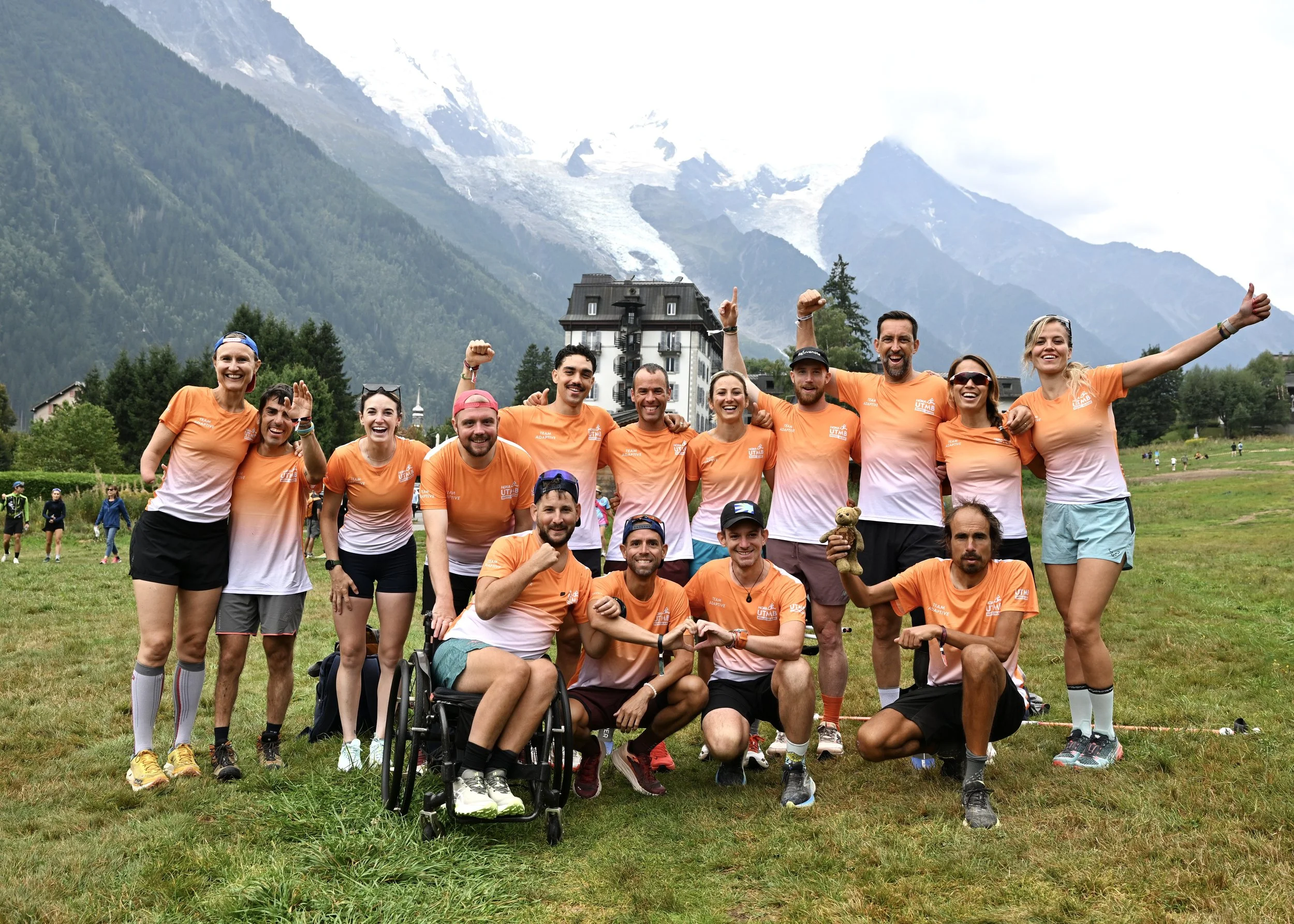
Team Adaptive, launched by UTMB Group, marks a decisive step in the evolution of trail running. It establishes a unique framework for welcoming athletes with disabilities onto the same courses, with the same requirements as all other runners. By structuring a comprehensive and reproducible inclusion protocol, the initiative is permanently transforming access to high-level trail running. This model, which aims to make inclusion a standard in sport, has been nominated in the Social Initiative of the Year category at the Trail Running Awards.
The diagnosis: Inclusion as a sporting standard
Historically, the participation of athletes with disabilities in ultra-trail races was managed on a case-by-case basis. Team Adaptive was created in 2024 in response to the need for a structured framework to ensure equal opportunities at UTMB events.
The founding principle is sporting fairness: same rules, same course, same time limits. Assistance (guides, adapted equipment) is permitted and supervised, but never diminishes the performance requirements. This comprehensive protocol has been incorporated into the UTMB guidelines and will be gradually rolled out across the entire UTMB World Series circuit.
Innovation: A reproducible and comprehensive protocol
The strength of Team Adaptive lies in the implementation of concrete operational measures tailored to a variety of profiles (motor, sensory, illness-related disabilities).
Guaranteed accessibility: The protocol includes the provision of free guide bibs, accessible signage, personalized safety briefings, and adjustments to bib collection times (e.g., for people with autism) to avoid stressful situations.
Suitable areas: Reserved and suitable refueling areas are set up to ensure efficient and comfortable assistance.
This systemic approach unifies the welcome, ensuring that adaptive athletes are no longer isolated cases, but full participants in the event.
Transfer of skills and cultural impact
Beyond logistics, Team Adaptive actively works to bring about cultural change within the trail running ecosystem:
Elite Mentoring: The Mentoring Adaptive program creates a strong link between elite athletes (including figures such as François D’Haene and Blandine L’Hirondel) and members of Team Adaptive. This transfer of skills and methods places inclusion at the heart of performance.
Public awareness: Awareness workshops are open to the public, volunteers, and athletes to promote a better understanding of disability. These workshops use real-life scenarios (courses with simulation glasses, introduction to sign language, courses in a joëlette).
The impact is significant: the presence of adaptive athletes has become natural, and differences are fading away at the starting line. The perspective of able-bodied runners and the public has changed, with many volunteers describing this experience as "the most powerful moment" of their week.
David Poletti sums up this transformation: "Team Adaptive is a standard-bearer. Their presence raises questions and sometimes challenges, but above all, it inspires (...) both those who doubt their ability to still participate in sports and those who, through them, can learn humility, resilience, and another form of performance."
The sporting results are convincing (100% of Team Adaptive finishers in iconic races, increase in the number of athletes accompanied on the circuit) and confirm that sporting excellence can coexist with total openness.
