
Faced with social inequality in accessing the mountains and the outdoors, the Alpine Outdoor Club has launched "From Asphalt to the Summit – Trail & Inclusion Academy." This unique initiative uses trail running as a powerful lever for personal development and territorial engagement for youth aged 13 to 18 from backgrounds far removed from the sport. This hybrid model, recognized for its concrete social impact and replicability, is nominated in the Social Initiative of the Year category at the Trail Running Awards.
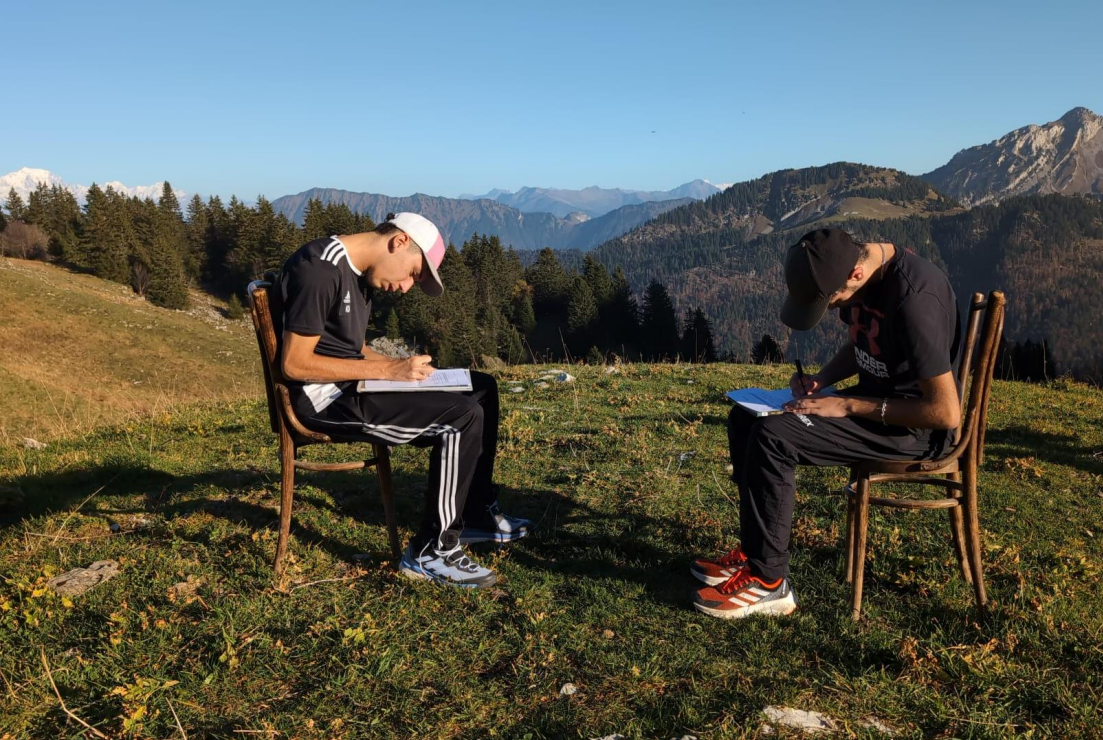
Making the Mountains Accessible to All
Born in Annecy, the capital of the outdoors, the program stems from a simple observation: the mountains remain socially inaccessible for many adolescents from priority neighborhoods or social housing structures. The initiative aims to build a bridge between the city and alpine trails, enabling these youngsters to reconnect with nature and reveal their potential through collective effort.
The approach relies on three fundamental pillars:
Social & Inclusive: Organization of social runs, inclusive hikes (including with migrant groups), and environmental education workshops.
Sporting & Educational: Creation of a Trail Academy supervised by certified coaches and mentored by elite athletes (including Antoine Charvolin, TDS winner).
Sustainable & Inspiring: The project carries the Impact 2024 label, is supported by Adidas TERREX, and is built on a long-term vision.
The Trail Academy: A Model of Inclusive Excellence
The originality of the setup lies in its ability to combine a highly open social dimension (introduction workshops) with a structured sports excellence program (the Academy).
Each young athlete in the Academy benefits from supportive coaching and a personalized pathway, targeting concrete goals such as the Mont-Blanc Marathon Young Race or the UTMB YCC. The multidisciplinary approach (athletic coaching, mental preparation, and nutrition) enables rapid progression, as demonstrated by the numerous podiums and top-10 finishes achieved by the young athletes in reference events in 2025.
This measurable athletic success proves the legitimacy and relevance of the program as a social elevator, reinforcing the youths' pride in "representing their neighborhood at an international race."
Cultural Impact and Sustainability of the Model
The initiative has generated impacts that extend far beyond sports, aligning with a vision of cultural and territorial influence:
Media Reach: The project was the subject of the documentary film "Les Sommets Libres" (Free Summits), screened at several outdoor festivals. This production offers national visibility and helps forge a new narrative for sport: inclusive, supportive, and grounded in reality.
Territorial anchoring: The program strengthens the bond between youth, community, and nature through local environmental awareness actions. Partnerships with local social and educational structures (PASSAGE, MJC) ensure the longevity and expansion of the audience.
Satisfaction and Re-engagement: The satisfaction rate among supported youth is very high (over 95%), and the re-engagement rate in new training cycles is significant.
By training not just runners, but "mountain citizens," "Du Bitume au Sommet" establishes itself as a reproducible model of inclusion through mountain sports, combining diversity, transmission, and performance.
