
Project 0 to 100: The science of ultra-endurance in the fight against sedentary lifestyles
In a context where inactivity has become a major public health issue, Project 0 to 100 proposes a large-scale scientific and social initiative. Coordinated by Professor Guillaume Millet, the program aims to transform 40 completely sedentary adults into finishers of the CCC® (100 km) of the UTMB® in 18 months. This unprecedented approach, which uses science as a lever for sustainable transformation, has been nominated in the Ethical and Environmental Initiative of the Year category at the Trail Running Awards.
The urgency of inactivity in the face of disease
The 0 to 100 Project is a direct response to the urgent issue of sedentary lifestyles, a phenomenon to which "it is impossible for organisms to adapt so quickly," according to coordinator Guillaume Millet. The study aims to measure, with scientific evidence, the power of structured physical activity to restore physical and mental health.
The 18-month experiment is open to 40 participants, with equal numbers of men and women aged between 25 and 50. The aim is not competitive performance, but collective success and a lasting transformation in the quality of life of each participant.
A novel and inclusive scientific protocol
The 0 to 100 Project stands out for its scientific rigor and inclusive scope, making it a unique study worldwide.
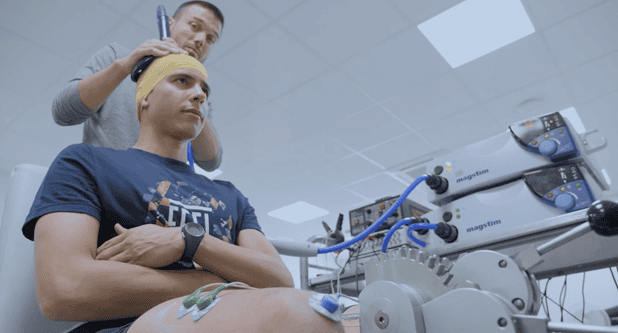
Participants receive personalized, multidisciplinary support (researchers, doctors, physical therapists, mental coaches). The protocol includes several visits to the laboratory (LIBM, IRMIS) to measure changes in biomarkers, muscle composition, sleep, fatigue, and quality of life.
The study is complemented by an additional component, Project 0 to 40, which paves the way for broader inclusion. This program is specifically aimed at sedentary individuals living with a chronic illness or disability, who will follow a similar protocol to achieve the 40 km (MCC®) goal.
As Boris Ghirardi, the project's sponsor, points out, the real challenge is "internal" and aims to overcome prejudice.
The Human Adventure: Guidance and Transmission
The progressive training program is supervised by professionals from the Trail School. The support goes beyond the kilometers covered:
Cohesion and Education: Three intensive weekends punctuate the course, serving as essential gathering moments to address technique, nutrition, injury prevention, and environmental education. These moments promote solidarity and team spirit.
Permanent link: Each training phase is adjusted according to the abilities, physiological results, and experience of the participants, ensuring appropriate and safe progression.
All of the data collected will be analyzed and published in scientific journals, but will also be disseminated to the general public through the media (via Le Monde and France TV), with the aim of inspiring change on a national scale.
The true success of the project will be seeing these 40 people continue to exercise after the study ends, demonstrating that with rigorous support, physical activity—long considered a luxury—can become an essential lever for public health.
